|
Nesting Shorebirds ͏ ͏ ͏ ͏ ͏ ͏ ͏ ͏ ͏ ͏ ͏ ͏ ͏ ͏ ͏ ͏ ͏ ͏ ͏ ͏ ͏ ͏ ͏ ͏ ͏ ͏ ͏ ͏ ͏ ͏ ͏ ͏ ͏ ͏ ͏ ͏ ͏ ͏ ͏ ͏ ͏ ͏ ͏ ͏ ͏ ͏ ͏ ͏ ͏ ͏ ͏ ͏ ͏ ͏ ͏ ͏ ͏ ͏ ͏ ͏ ͏ ͏ ͏ ͏ ͏ ͏ ͏ ͏ ͏ ͏ ͏ ͏ ͏ ͏ ͏ ͏ ͏ ͏ ͏ ͏ ͏ ͏ ͏ ͏ ͏ ͏ ͏ ͏ ͏ ͏ ͏ ͏ ͏ ͏ ͏ ͏ ͏ ͏ ͏ ͏ ͏ ͏ ͏ ͏ ͏ ͏ ͏ ͏ ͏ ͏ ͏ ͏ ͏ ͏ ͏ ͏ ͏ ͏ ͏ ͏ ͏ ͏ ͏ ͏ ͏ ͏ ͏ ͏ ͏ ͏ ͏ ͏ ͏ ͏ ͏ ͏ ͏ ͏ ͏ ͏ ͏ ͏ ͏ ͏ ͏ ͏ ͏ ͏ ͏ ͏ ͏ ͏ ͏ ͏ ͏ ͏ ͏ ͏ ͏ ͏ ͏ ͏ ͏ ͏ ͏ ͏ ͏ ͏ ͏ ͏ ͏ ͏ ͏ ͏ ͏ ͏ ͏ ͏ ͏ ͏ ͏ ͏ ͏ ͏ ͏ ͏ ͏ ͏ ͏ ͏ ͏ ͏ ͏ ͏ ͏ ͏ ͏ ͏ ͏ ͏ ͏ ͏ ͏ ͏ ͏ ͏ ͏ ͏ ͏ ͏ ͏ ͏ ͏ ͏ ͏ ͏ ͏ ͏ ͏ ͏ ͏ ͏ ͏ ͏ ͏ ͏ ͏ ͏ ͏ ͏ ͏ ͏ ͏ ͏ ͏ ͏ ͏ ͏ ͏ ͏ ͏ ͏ ͏ ͏ ͏ ͏ ͏ ͏ ͏ ͏ ͏ ͏ ͏ ͏ ͏
WingspanSt. Petersburg Audubon Society’s Monthly Newsletter May-June 2025
|
Shorebird nesting season!
|
|
|
|
Ft DeSoto’s American Oystercatchers: It is AE’s turn to sit on the three eggs while Archie sets out to forage and defend the nest |
|
|
|
For the third consecutive spring, banded American Oystercatcher AE and her mate, Archie, have chosen Ft DeSoto’s North Beach to raise their brood. Breeding territory may be several acres in size and is characterized by a good supply of shellfish, the dietary mainstay, and a low threat of predators. Pairs are typically monogamous, share in the incubation of 2-4 eggs over 24-28 days, and continue cooperative parenting activities until the chicks have fledged and developed solid foraging skills. In each of the 2023 and 2024 seasons, AE and Archie successfully raised three chicks, as volunteer stewards watched the process unfold and discussed with beachgoers the importance of giving the Oystercatchers and other threatened species, including Snowy Plovers, Black Skimmers, and Least Terns, space to raise their young safely. For more information: Become a Beach Steward!
|
|
Meet 2024 Gabe Vargo Grant Recipients Rob Sheddon and Alex Hernandez! Under the mentorship of Dr. Elizabeth Forys, Eckerd College Professor of Environmental Studies, they investigated the causes of disturbances to nesting Black Skimmers at St. Pete Beach in Pinellas County, Florida from late May-July, 2024, using camera traps and in-person surveys. Rob and Alex presented their data on flushing events, predation, and intraspecific aggression at Eckerd College’s Research Symposium, March 26, 2025. See their elegant exhibition, Disturbances at a St Pete Beach Black Skimmer Colony, on the Symposium website.
|
|
2025 Gabe Vargo Seabird Grant Recipients Mikkel Paulson, rising Eckerd College junior, Biology and Environmental Studies Isabelle Wood, Eckerd College junior, Environmental Studies and Animal Studies Congratulations!
|
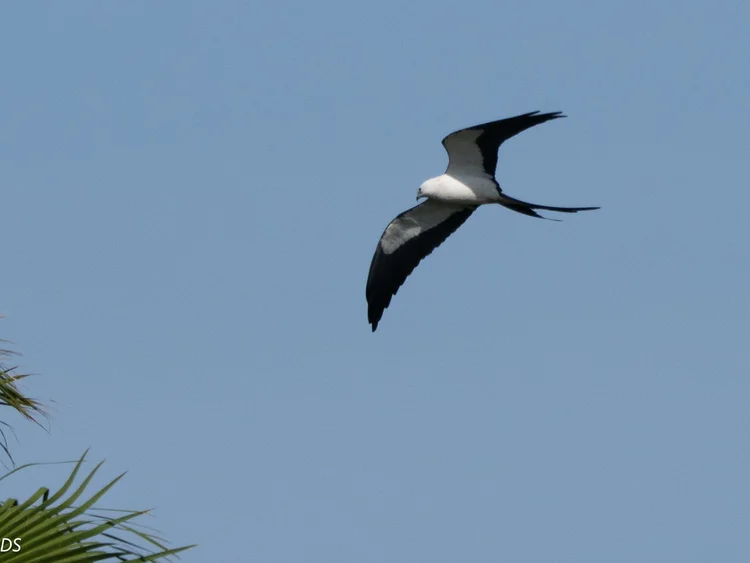
Eckerd College Field Trip, April 5Jeniana Willner, Conservation Leadership Initiative student On a balmy but happy Saturday, SPAS President Elizabeth Forys led a members-only field trip to Eckerd College. The campus is an especially great place for birding: Eckerd has the most bird species per acre of any college in the country, and it hosts its very own National Audubon Society Campus Chapter in the form of the Birding Club. Student members of the club joined SPAS members on a guided walk throughout the 188-acre campus. Birders were thrilled to find a Northern Harrier, two Cedar Waxwings, and, most surprising to student Jake Mandell, two Swallow-Tailed Kites! Here’s what next year’s president of the chapter, Johnny Owens, had to say: “I think collaborations like this trip are a great way to share the love of birding and nature across generations, to make new connections with people who have similar interests, and to learn from others.” Special thanks to Professor Forys and students Johnny Owens and Jake Mandell. ********** The April 13 Ft DeSoto field trip was led by Peter Plage, who, along with his son Eric, helped the group locate almost 50 species, while keeping everyone entertained with birder father-birder son banter. Highlights were the Golden-winged Warbler, Blue-winged Warbler, Worm-eating Warbler, Orchard Oriole, Prothonotary Warbler, Tennessee Warbler, and many nesting Ospreys. Steve Aversa’s group of 15 at Sand Key Park on April 19 shared a beautiful day spotting 48 species, including the Cape May Warbler, Northern Waterthrush, Ruby-throated Hummingbird and nest, Indigo and Painted Buntings, 3 vireo species, Ovenbird, Blackpoll, Common Yellowthroat, and Summer Tanager.
|
SPAS April Program: The Tampa Bay Estuary Program: State of the BayThe Tampa Bay Estuary Program has been working with local partners since 1991 to implement a science-based management plan for a healthy bay. Although there has been successful bay-wide recovery, ongoing conditions present a new set of challenges that require an adaptive approach to protecting bay resources. Marcus Beck, PhD, Senior Scientist at TBEP, provided a fascinating, informative overview of past and current work managing water quality and wildlife habitats of Tampa Bay, including how the local community can act meaningfully and intentionally to support these efforts.
|
Boyd Hill 1st Saturday Field Trip, MayLeader: Paul WatonSaturday, May 3, 2025 8:00AM-10:00AM Location: Boyd Hill Nature Preserve 1101 Country Club Way S., St Petersburg, FL 33705. Walk is on dirt trails and boardwalks. Meet in front of the Nature Center at 7:45am; walk will start at 8:00am. What to Bring: Hat, Binoculars, Insect repellant, Sunscreen (although portions will have shade). Water is available on some of the trails. Public Restrooms: Located in the Nature Center ********** St Petersburg Audubon Society will continue Ron Smith’s tradition of organizing a monthly bird walk at 8AM on the first Saturday of the month. Current leaders include Peter Plage, John Ficken, and Paul Waton. If you are a bird enthusiast interested in helping to lead a walk, please contact Francesca Di Cosmo, fieldtrips@stpeteaudubon.org. An encouraging note to all potential leaders: Audubon Magazine: You Have What It Takes To Lead Bird Outings.
|
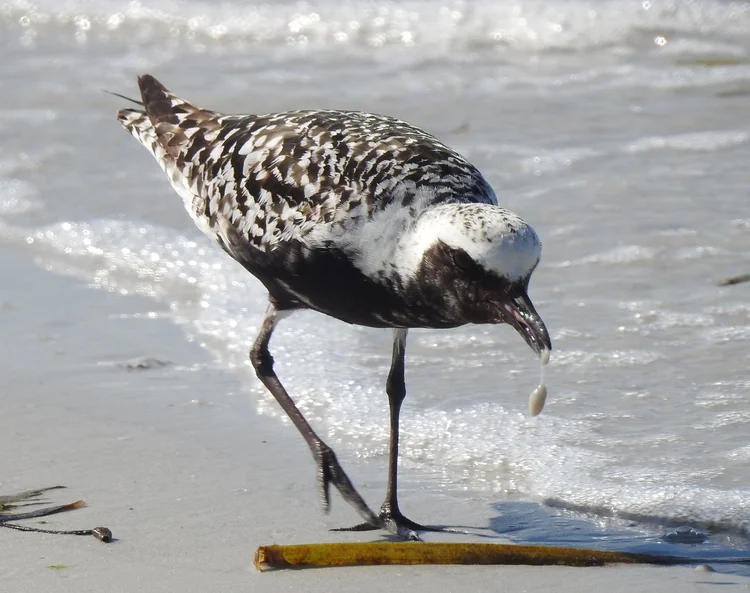
Field Trip: Migratory shorebirds in breeding plumageLeader: Peter PlageTuesday, May 6, 2025 8:00AM-10:00AM Location: Fort DeSoto Park 13500 Pinellas Bayway South, Tierra Verde, FL. 33715 Meet at North Beach. After entering the park, turn right at the flagpole and continue west, then north on the main park road. Enter the large parking lot at North Beach and meet in the parking lot near the northern-most restroom. The trip will entail walking a mile or more on sand. What to Bring: Binoculars, Hat, Sunscreen, Insect Repellant, Water, and Footwear appropriate for wading. Public Restrooms: available Note: Ft. De Soto has an admission fee of $6.00 per vehicle. Parking: Ft DeSoto Park Pay Station Map Annual Passes for Ft DeSoto, Fred Howard, and Sand Key
|
Boyd Hill 1st Saturday Field Trip, JuneLeader: Peter PlageSaturday, June 7, 2025 8:00AM-10:00AM Location: Boyd Hill Nature Preserve 1101 Country Club Way S., St Petersburg, FL 33705. Walk is on dirt trails and boardwalks. Meet in front of the Nature Center at 7:45am; walk will start at 8:00am. What to Bring: Hat, Binoculars, Insect repellant, Sunscreen (although portions will have shade). Water is available on some of the trails. Public Restrooms: Located in the Nature Center
|
Upcoming EventsSPAS Teacher Ecology Camp The vision of benefactor Dr. Harold Albers, Teacher Ecology Camp is a science camp for educators which combines presentations from the local scientific community with practical in-the-field experience. Teacher Ecology Camp is presented at no charge to educators in collaboration with Sensing Nature biologists & environmental educators, Jeanne Murphy and Brian Lane.
|
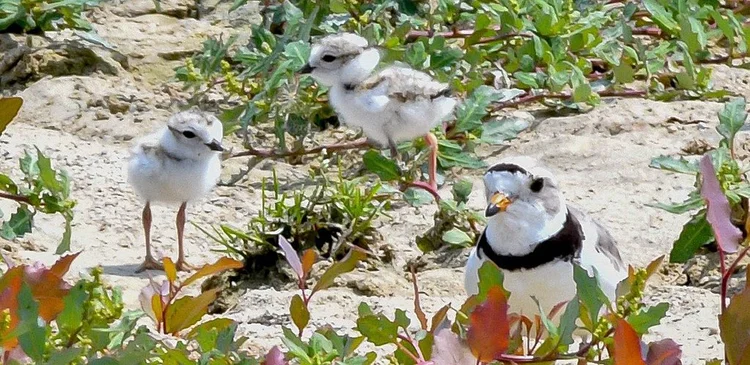
The Piping Plovers of Moonlight BayWe enjoy the wintering Piping Plovers in coastal locations such as Ft DeSoto. What are they up to in the summer? Watch this excellent PBS documentary featuring a pair of Piping Plovers in their Massachusetts breeding territory, available to stream through May 31, 2025: The Piping Plovers of Moonlight Bay
|
Lights Out!Cornell Lab of Ornithology: “Each spring, migratory birds travel thousands of miles to reach their breeding grounds, only to face deadly threats in our cities and neighborhoods. Over one billion birds die in the U.S. every year from window collisions. We can change that. Turn off non-essential lights from 11 p.m. to 6 a.m, and make windows safer with simple, affordable bird-friendly treatments. These are inexpensive and proven solutions that save lives, reduce energy use, and help protect one of nature’s greatest migrations. Be part of the change.” Learn more: https://bit.ly/stopbirdcollisions
|
|
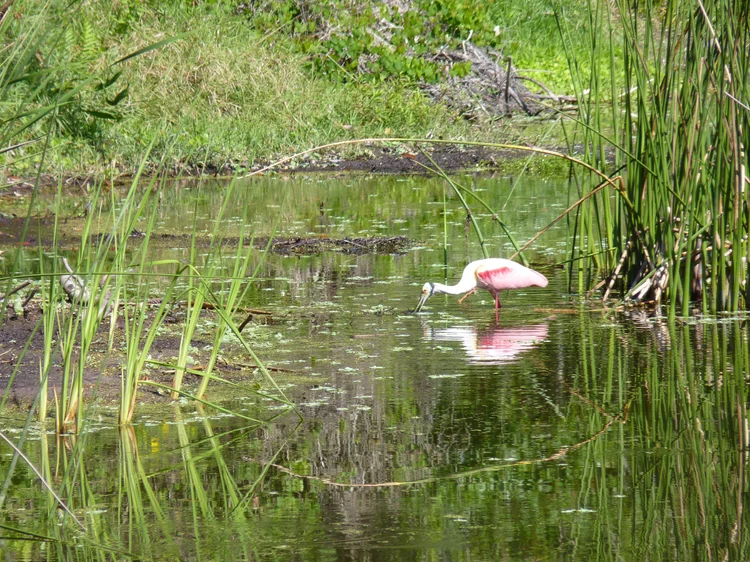
Audubon Florida’s Everglades Science Center team is calling on bird enthusiasts across the state to search for Roseate Spoonbills and report banded birds. Each band resight will win a special sticker and contribute to critical population data for this iconic Florida species. audubon.org/florida/spoonbills ********** SPAS PO Box Due to a miscommunication, our P.O. Box was temporarily unavailable in February and part of March. If you mailed us something during that time, it was likely returned to you. Our P.O. Box is now fully functional and we welcome your checks or other mailings sent to: St. Petersburg Audubon Society P.O. Box 12407, St. Petersburg, FL 33733-2407
|
|
|
|