Help Injured Wildlife
Local rescues and sanctuaries
-
“To assist and protect injured or endangered wildlife through swift responses that provide them the best odds of survival, care and release back to their native habitats when possible. Educate the public through outreach so that all may enjoy and peacefully coexist with the animals that share our communities.”
If you find injured or orphaned wildlife on the west central coast of Florida (Hillsborough, Pasco, Pinellas Counties) call Shelley at 727-365-4592. Visit Birds in Helping Hands for more information.
-
“A wildlife rehabilitation facility & tourist attraction dedicated to the rescue & treatment of sick & injured wild birds.”
Injured bird hotline: 727-391-6211
“If you have safely contained the bird and do not need a rescuer, you can bring the bird to the Sanctuary's hospital yourself. The Sanctuary will receive birds 24/7 either at the hospital during normal business hours, or in the Sanctuary's After Hours Drop-Off building, located in the Sanctuary's parking lot.”
You can learn more about the sanctuary and what they do by visiting their website.
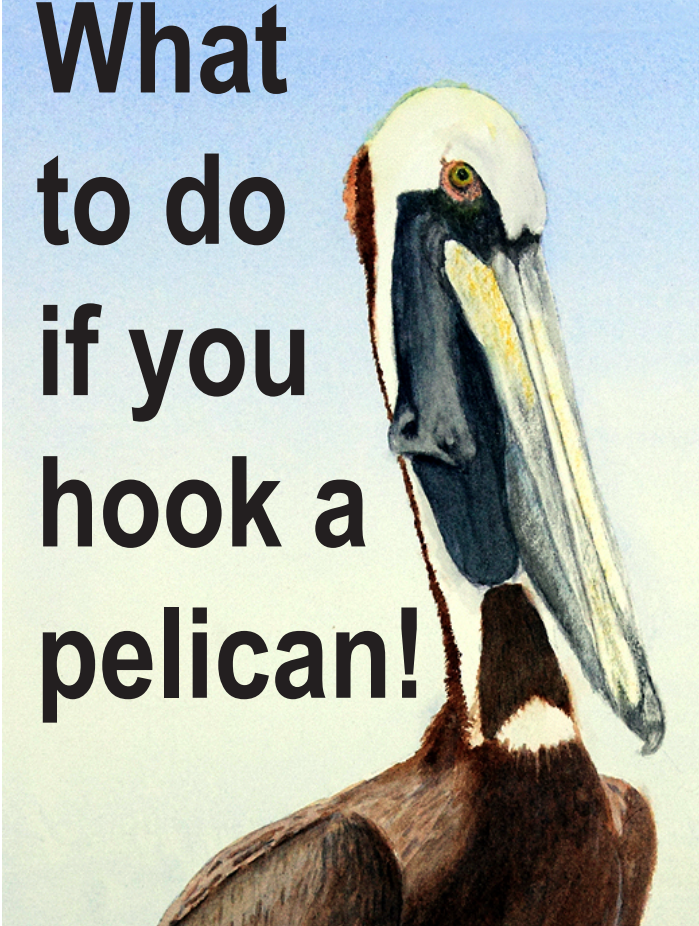
What to do if you hook a bird.
Birds that live near the water are in constant peril from fishing line and hooks! The Tampa Audubon Society has built a multi-organizational committee that brainstorms and implements ideas to decrease injury and mortality to these birds caused by fishing line and hooks. This is a huge problem in all parts of the county, wherever fishing is allowed, whether saltwater or freshwater. However, we believe most people would do the right thing, if they just knew what that was.
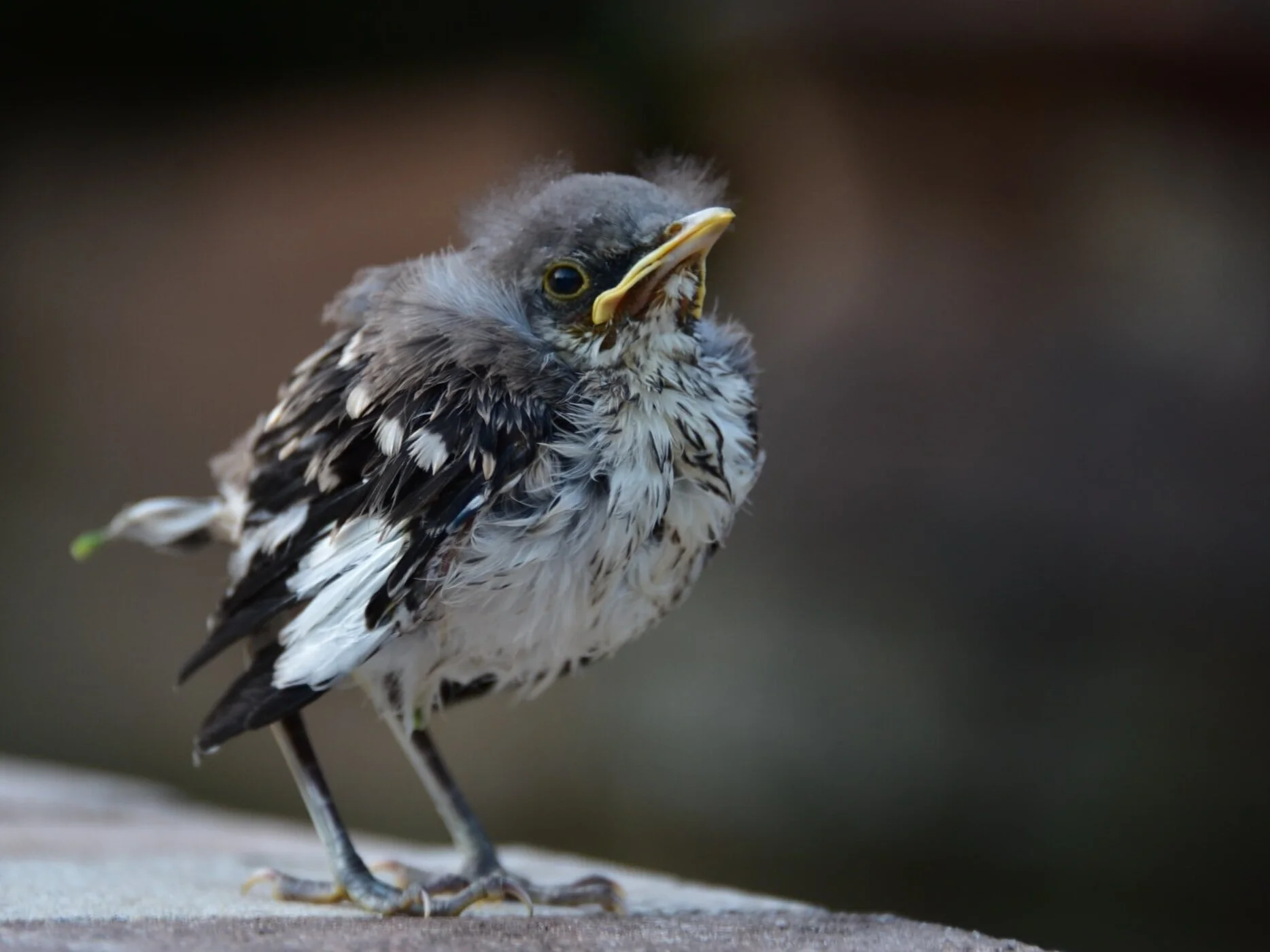
What to do if you find a baby bird.
Spring and summer bring baby birds and a lot of baby bird uncertainty. Young birds are found on the ground, seemingly, alone. The parents are usually foraging and the young are waiting for their meal to arrive. It can be hard to determine what is normal what we should be concerned about. We hope you find this resource useful!
From Florida Fish and Wildlife Conservation Commission:
Generally, if you find a baby animal it is best to leave it alone. Rarely are animals actually orphaned; the parent may be searching for food or observing its young from a distance. Do not pick up baby animals or remove them from their natural environment. Instead, report wildlife you think may be injured or orphaned to the nearest FWC Regional Office.
When encountering injured wildlife, please contact the appropriate FWC-licensed wildlife rehabilitator in your area. A list of wildlife rehabilitators by county can be accessed here: Licensed Wildlife Rehabilitators.
If the animal is a domestic or feral animal, such as a dog, cat or horse, please contact the nearest Humane Society, Animal Services Office or Animal Control Agency.
Wildlife Alert Hotline - Contact the FWC's Wildlife Alert Hotline at 1-888-404-3922 to speak directly to an FWC representative.