Our Conservation Projects
Bird Banding & Resighting
-
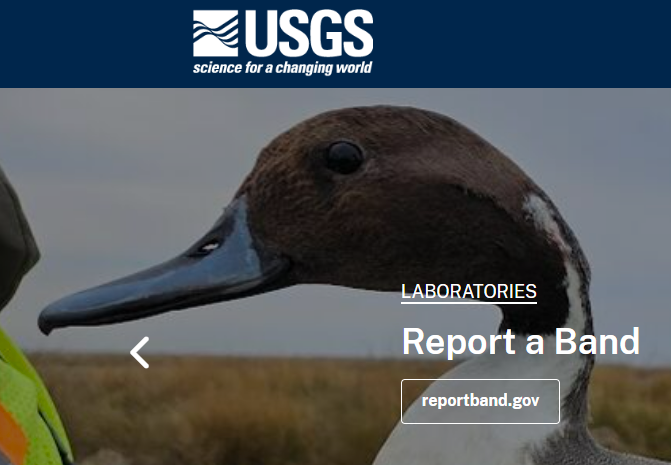
Reporting Banded Birds
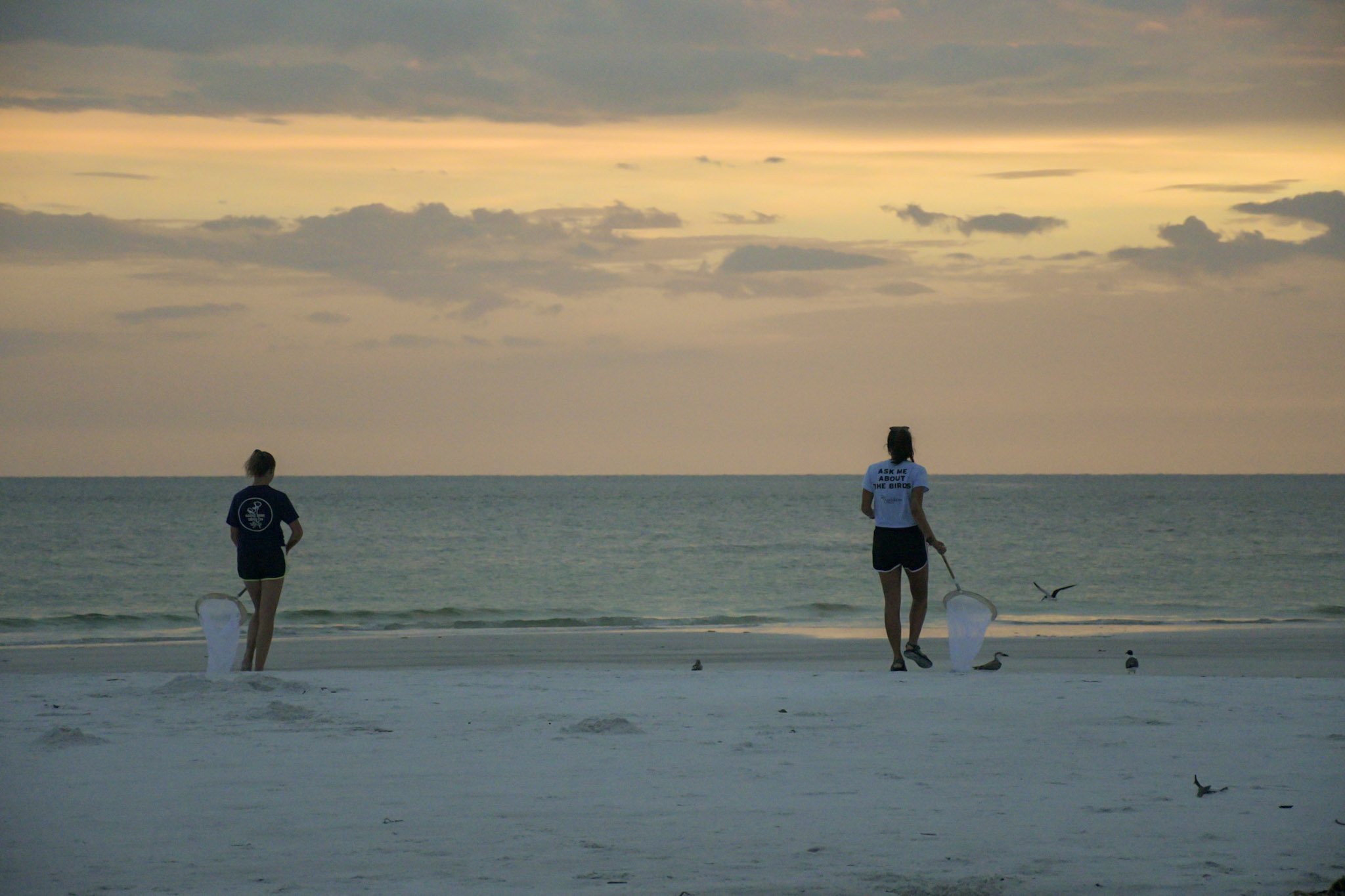
For a one stop guide to reporting bands of Florida shorebirds and seabirds consult the Florida Shorebird Alliance webpage: https://flshorebirdalliance.org/resources/banded-birds/
Bands all bird species, including recovered metal U.S. Geological Survey bands and various colored or numbered bands can be reported to the U.S.G.S. lab (button below)
-

Brown Pelican
The Brown Pelican is regularly found along the Atlantic and Gulf coasts from Maryland southward. It nests in colonies in trees or bushes, often on islands. It is considered “imperiled” by the Florida Fish and Wildlife Commission (FWC), but is not listed as threatened or endangered.
-

American Oystercatcher
he American Oystercatcher breeds along the Atlantic and Gulf coasts from Massachusetts southward. It winters as far north as North Carolina. The species is strictly coastal and depends on sand beaches and tidal flats. It is listed as “Threatened” in Florida by FWC. Oystercatchers in our area nest on both rooftops and beaches.
-

Snowy Plover
The Snowy Plover is resident in our area, with an influx of additional wintering birds. Nationally, it breeds along the Pacific and Gulf coastlines, with some breeding also occurring in the interior west. In Florida it is found on beaches and sandy flats. The Snowy Plover is listed as “Threatened” in Florida by FWC.
-

Wilson's Plover
The Wilson’s Plover was named after famed ornithologist Alexander Wilson. Given the current move to end honorific bird names, it may revert to its original name, the Thick-billed Plover. It breeds in our area and nationally from southern New Jersey southward to Florida and Texas. It winters mostly along the Gulf Coast including both coasts of Florida. Audubon Florida has petitioned to have FWC list the Wilson’s Plover as “Threatened.”
-

Black Skimmer
The Black Skimmer nests in colonies along the Atlantic and Gulf coasts from Massachusetts southward. It winters north as far as North Carolina. It is known for its strange uneven bill with an extended lower mandible, which it skims into the water to capture prey. Locally, young skimmers are banded at breeding colonies, supporting research on their movements. The Black Skimmer is listed as “Threatened” in Florida by FWC. St. Petersburg Audubon supports students studying Black Skimmers through our grants program.
-

Least Tern
The Least Tern is a colonially breeding species that nests both on open beaches and on rooftops. St. Petersburg Audubon has a long history of monitoring rooftop Least Terns and doing research with Eckerd College! This species is a summer breeder in Pinellas County, but absent in the winter moths when it migrates south to the Caribbean, southern Mexico, and South America. It is listed as “Threatened” in Florida by FWC.
-

Piping Plover
The Piping Plover breeds in three geographic regions: the Atlantic Coast, the Northern Great Plains, and the Great Lakes. The Atlantic Coast and Great Plains populations are federally-listed as threatened, while the Great Lakes population is federally-listed as endangered. Piping plovers from all three breeding regions migrate through and winter in our area.
-

Red Knot
The “rufa” Red Knot, the subspecies found in Florida, is federally-listed as threatened. It breeds in the high Arctic and winters as far south as Tierra Del Fuego in South America. Flocks of up to 2000 birds have been seen locally in fall. U.S. Fish and Wildlife Service and the University of Florida have ongoing studies based on Red Knots trapped at Fort De Soto.
-

Historic Program, Raptors on the Move
This program is no longer active, but it was a wonderful partnership!
The Raptors on the Move program was designed to educate our community on the movements of raptors. It was a joint effort between St. Petersburg Audubon Society, represented by board member Dr. Gabe Vargo, and the Avian Research and Conservation Institute (ARCI), headed by Executive Director, Dr. Ken Meyer - an avian migration and Swallow-tailed Kite migration expert.